
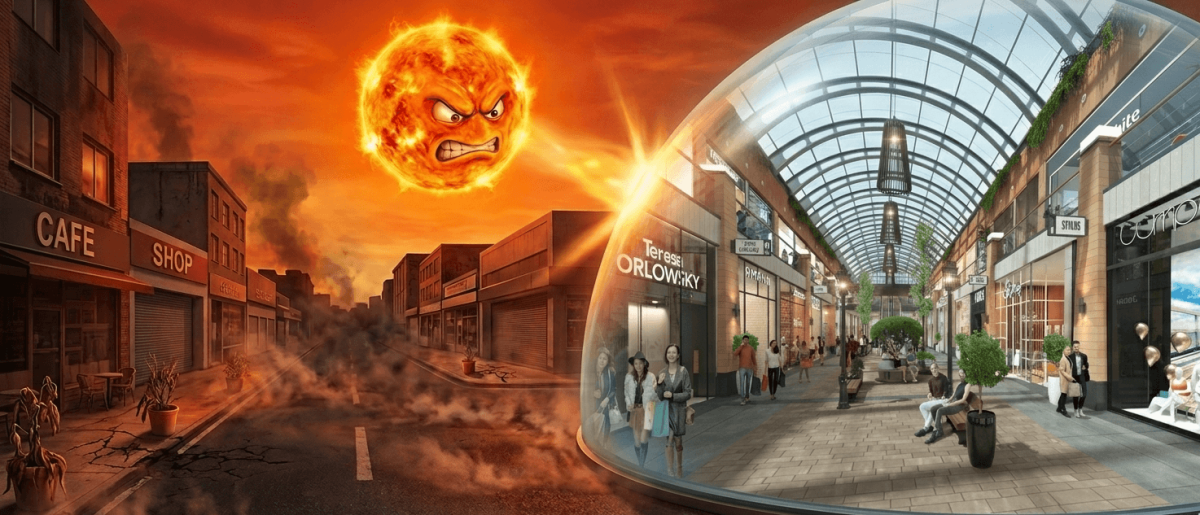
As temperatures rise across India, climate comfort is emerging as a key factor in where people choose to shop, dine, and socialize.
The future of urban destinations will be defined not just by what they offer, but by how comfortably people can experience them.
Shopping trips, coffee catch-ups, weekend outings – many of us now plan them around the weather rather than our schedules. As temperatures rise, a larger question emerges: are our destinations evolving as fast as our climate?
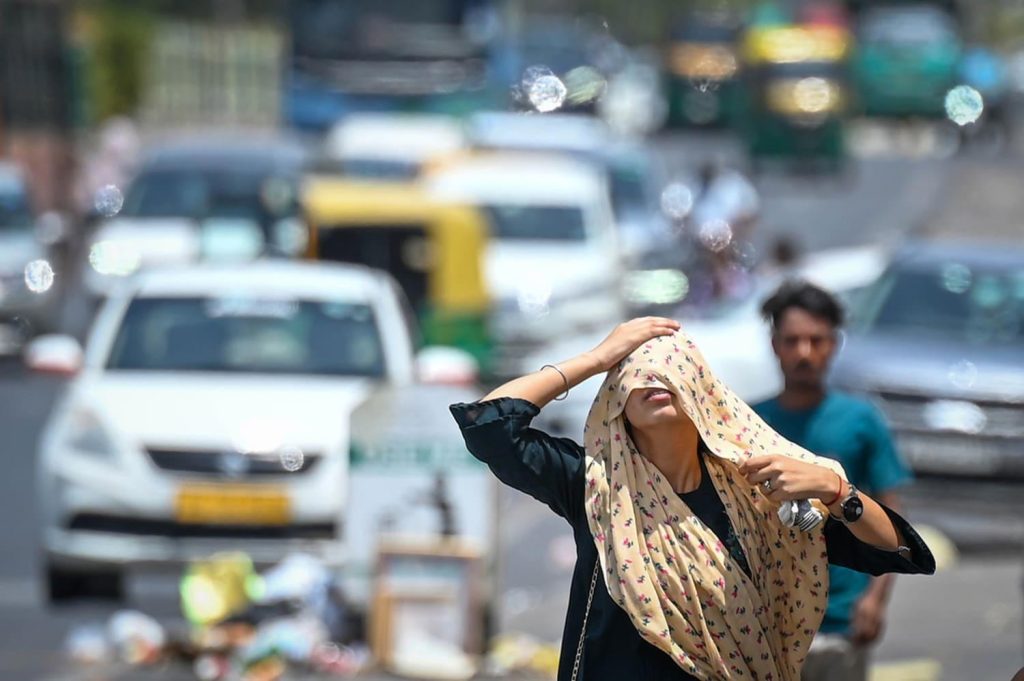
According to a study by the Centre for Science and Environment, 75.78 per cent of Delhi’s area is persistently heat-stressed (LST > 45°C for six or more years). Nearly 98.72 per cent of the city’s total area crossed the heat threshold at least once over the decade.
Around the world, destinations are adapting to this shift. The Helix Quarter at EmQuartier in Bangkok and Singapore’s Jewel Changi Airport climate responsive design are prime examples of climate-smart developments.
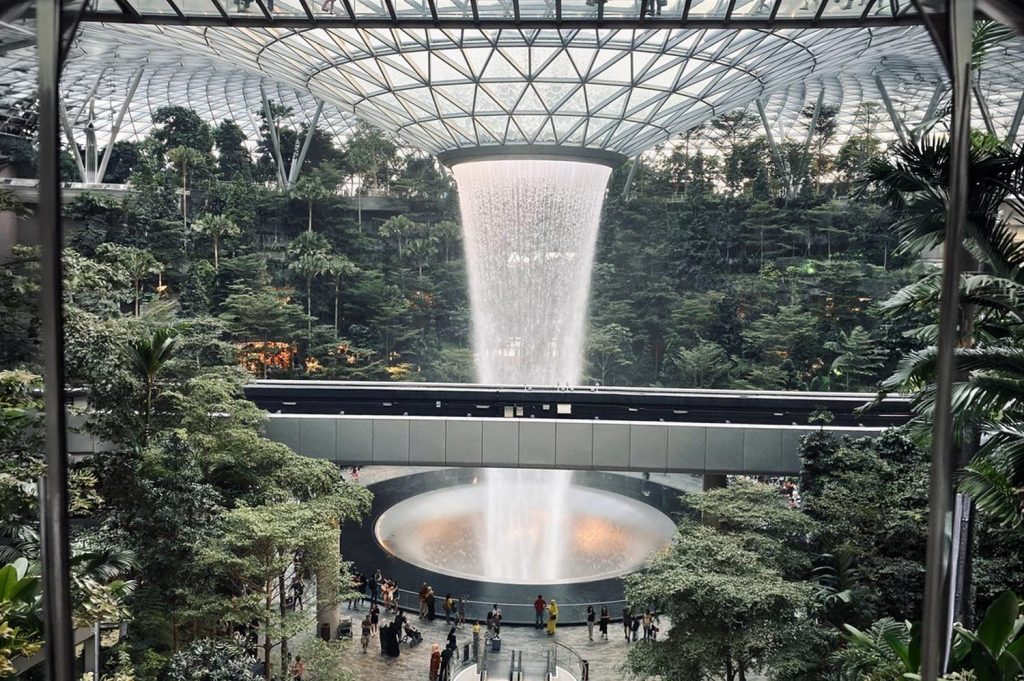
By integrating climate-responsive design into the visitor experience, these destinations are redefining what modern urban spaces can offer.
World-class destinations are no longer just building structures – they are engineering comfort!
India’s economy is moving faster than ever but so is our climate crisis. Rising Temperatures are demanding smarter solutions.
Commercial destinations are evolving from basic shopping spaces into holistic, experience-driven community centers.
Traditional high-streets in Delhi – Hauz Khas, Sarojini Nagar Market, Janpath, etc. offer vibrancy but remain exposed to weather conditions, and enclosed malls or under-ground shopping streets provide comfort but often lack the openness and dynamics of outdoor urban spaces. Both formats come with their own limitations.
The next evolution of destination design lies in combining the openness of traditional high streets with the comfort and convenience of modern indoor environments.
Standing at the forefront of this architectural evolution is The Omaxe State at Dwarka, New Delhi. Designed as a mixed-use ecosystem, The Omaxe State brings together shopping district, a vibrant food district, hospitality offerings, sports infrastructure, and social & leisure experiences within a single destination.
At its heart lies India’s first air-conditioned high Street. A 4.2-kilometre retail and leisure boulevard designed for premium experience making it the largest commercial space in Delhi.
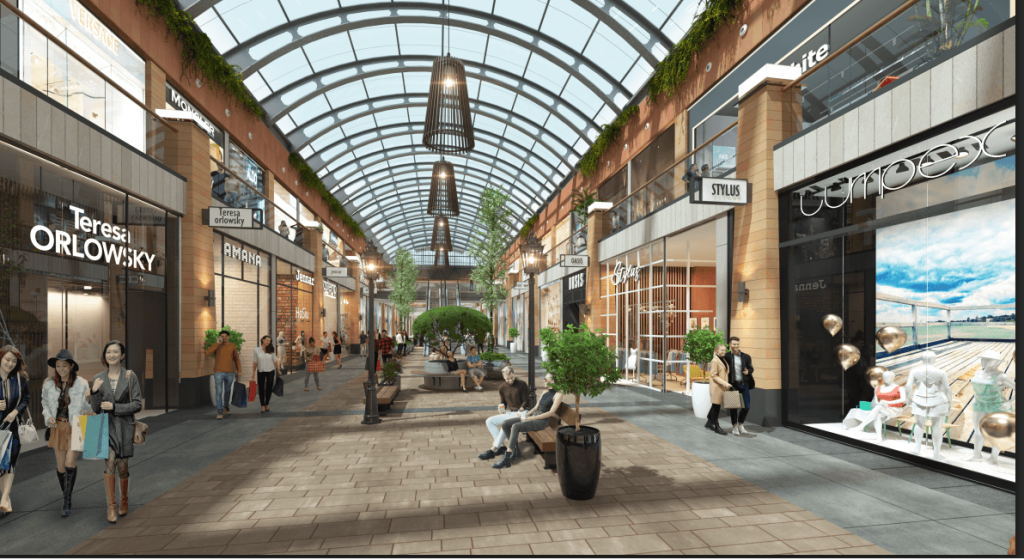
Historically, the classic Indian high-street shopping experience meant navigating crowded pavements, dusty air, and unrelenting heat. The Omaxe State completely turns this narrative on its head by wrapping that beloved, dynamic high-street culture inside a state-of-the-art, climate-controlled corridor.
As the country’s urban landscape continues to evolve, climate-smart destinations are likely to play an increasingly important role in shaping how people spend their time, interact with spaces, and experience cities.
Because the future of destination development isn’t just about giving people more places to visit.
It’s about giving them more reasons to stay.
Sources: Business Standard | Centre for Science and Environment (CSE) | Knight Frank Research | JLL