

Traditionally, cricket stadiums hosted cricket and football stadiums hosted football. But in an era where infrastructure is expected to deliver value year-round, is a single-purpose stadium enough?
For decades, each stadium has been built around the needs of one sport. A cricket pitch, for instance, requires a central clay wicket and specific field dimensions, while football demands a uniform grass surface optimized for continuous play. These distinct technical requirements made it difficult for a single venue to accommodate multiple sports without compromising playing conditions. While these facilities played an important role in developing sporting culture, they often remained underutilised between seasons and events.
Today, that is beginning to change.
As cities around the world seek to maximise the value of sports infrastructure, a new generation of stadiums is emerging. They are designed not around a single sport, but around adaptability. Advanced retractable and modular pitch technologies now allow venues to seamlessly transition between different sporting formats, entertainment events, and fan experiences.
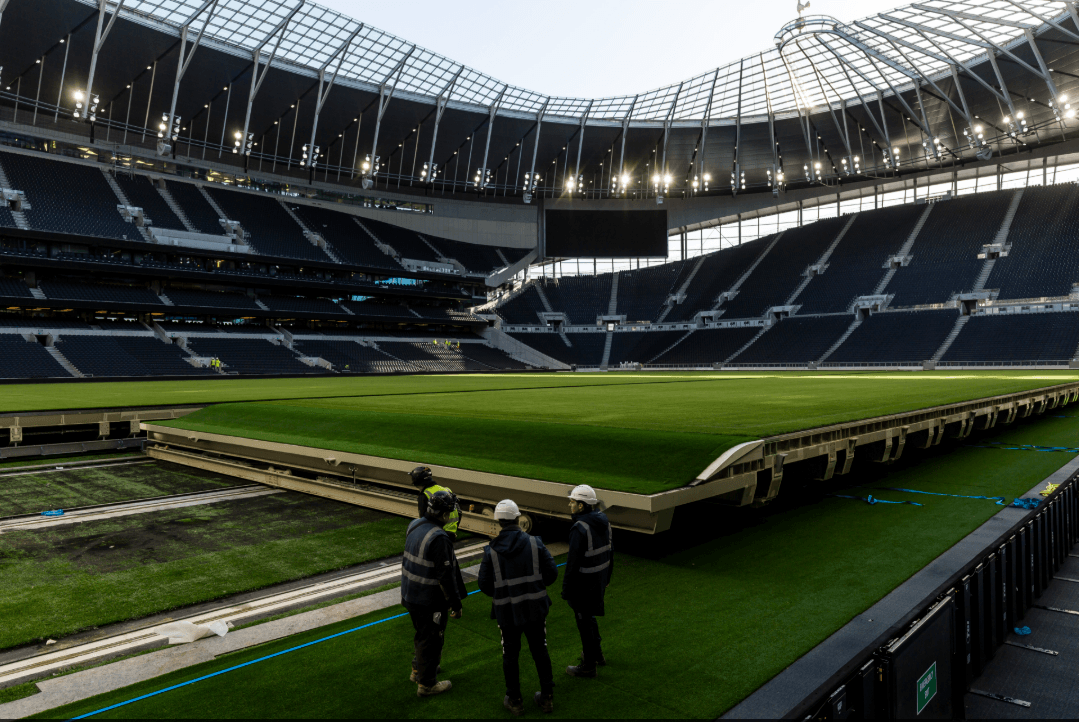
The shift is already visible in some of the world’s most iconic stadiums. Madrid’s Santiago Bernabéu features an advanced retractable pitch system that allows natural grass playing surface to be divided into six large, massive steel trays and stored in an underground facility when not in use.
In London, Tottenham Hotspur Stadium can transform from a football venue into an NFL-ready stadium through its innovative split-pitch technology. These innovations enable venues to host a wider range of events while ensuring world-class playing conditions.
What makes these stadiums remarkable is not just the technology, but the philosophy behind them. They are built for flexibility.
Instead of remaining active only during sporting seasons, modern stadiums are evolving into year-round destinations. By accommodating multiple sports, entertainment events, concerts, and community gatherings, they generate greater economic activity, attract more visitors, and make better use of valuable urban infrastructure.
In India, however, sports infrastructure has traditionally been built around cricket. But as the country’s sporting ambitions continue to grow, there is increasing demand for infrastructure that can support multiple formats, attract diverse audiences, and remain relevant beyond match days.
This is where the next chapter of sports infrastructure begins.
The Omaxe State brings India’s first convertible* stadium, introducing a drop-in pitch system where the playing surface can be removed and replaced with another purpose-built surface, designed to seamlessly transition between cricket and football. With a seating capacity of over 30,000 spectators, the venue is envisioned as one of the country’s most innovative sporting destinations, combining flexibility with world-class fan experiences.
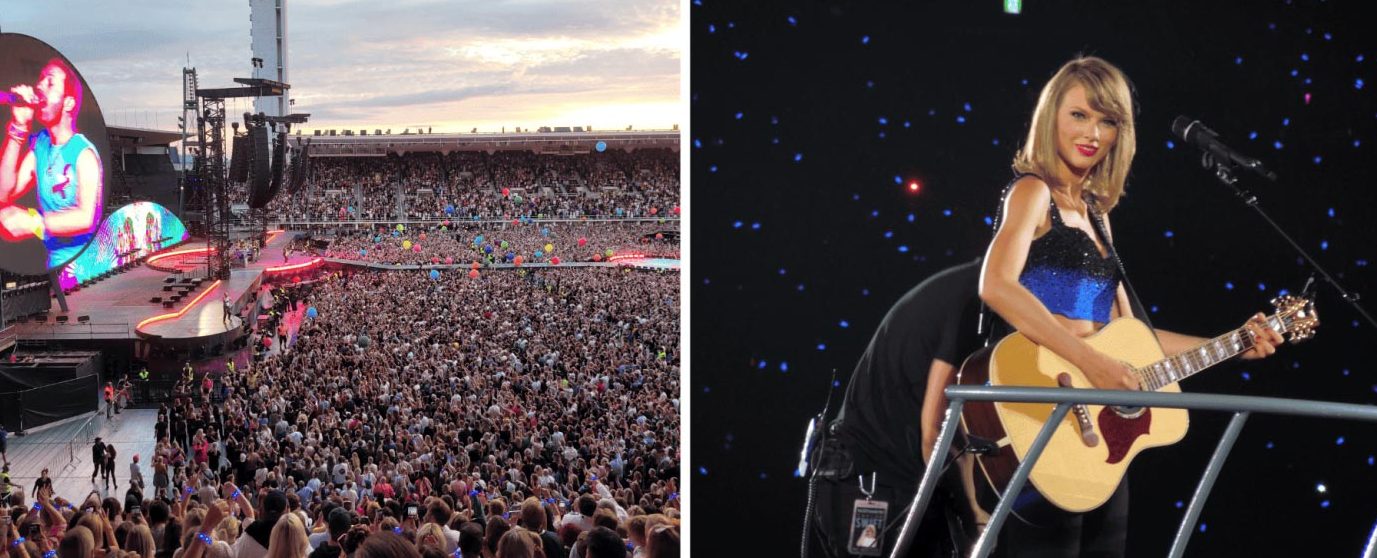
The flexibility of the stadium extends far beyond sport. Alongside cricket and football, it is envisioned as a destination for international concerts, live entertainment, cultural festivals, and large-scale community gatherings, with the capacity to host up to 50,000 attendees, keeping the precinct active and vibrant throughout the year. More than just a venue, it is envisioned as part of a larger ecosystem where sports, entertainment, retail, hospitality, and community experiences come together.
The future of stadiums will not be defined solely by capacity or architecture. It will be defined by their ability to adapt, engage, and create value throughout the year.
Read more: iismworld | sportscapemagazine